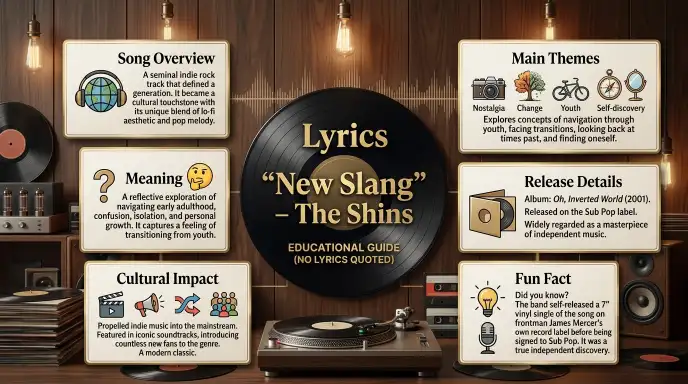
The phrase “New Slang” became popular because of the song by The Shins. Many people search for lyrics New Slang The Shins to understand what the song means.
Although the lyrics are poetic and open to interpretation, the song is often associated with change, growing up, uncertainty, and self-discovery. Different listeners may understand it in different ways.
Quick Answer:Lyrics New Slang The Shins Meaning:
“New Slang” by The Shins is not about a specific slang word. Instead, the song uses the phrase symbolically to explore themes like personal growth, change, nostalgia, and finding your place in life.
What Is “New Slang” by The Shins?
“New Slang” is one of the best-known songs by The Shins.
The song appeared on the band’s debut album and quickly became popular among indie rock fans.
Its thoughtful lyrics and calm melody helped it stand out.
Unlike many songs, its meaning is intentionally open to interpretation.
That allows every listener to connect with it in a personal way.
What Does “New Slang” Mean?
There is no official definition of “New Slang” within the song.
Instead, the title works as a symbol.
Many listeners believe it represents:
- Personal growth
- New experiences
- Life changes
- Emotional uncertainty
- Changing perspectives
- Self-discovery
The exact meaning depends on how each listener connects with the lyrics.
Why Is the Song Called “New Slang”?
The title does not refer to a new slang word that people use in everyday conversation.
Instead, many fans believe it represents new ways of thinking and seeing the world.
As people grow older, they experience new emotions, ideas, and challenges.
The title reflects those changes rather than creating a new piece of slang.
Main Themes in the Song
Growing Up
Many listeners feel the song captures the emotions that come with becoming an adult.
It reflects the excitement and uncertainty of moving into a new stage of life.
Change
Change is one of the strongest themes in the song.
The lyrics suggest that life is always moving forward.
Self-Discovery
The song encourages listeners to think about who they are and where they belong.
Many people connect this theme to their own experiences.
Nostalgia
Some parts of the song remind listeners of the past.
It reflects the feeling of looking back while continuing to move forward.
Why Is “New Slang” So Popular?
Several factors helped the song remain popular for many years.
- Calm indie rock sound
- Thoughtful lyrics
- Emotional storytelling
- Open interpretation
- Memorable melody
- Relatable themes
These qualities continue to attract new listeners today.
Is “New Slang” Actually Slang?
No.
Despite the title, “New Slang” is not a slang term that people commonly use in conversations.
The word “slang” is used symbolically as part of the song’s artistic message.
That is why people searching for lyrics New Slang The Shins are usually looking for the song’s meaning rather than a dictionary definition.
How Do People Interpret the Lyrics?
The lyrics of “New Slang” are open to interpretation.
Different listeners find different meanings in the song.
Some focus on personal growth.
Others connect it to memories, relationships, or life changes.
There is no single correct interpretation.
That is one reason the song remains popular.
Why Are the Lyrics So Meaningful?
Many songs tell a clear story.
“New Slang” takes a different approach.
Its lyrics encourage listeners to think deeply.
Instead of giving direct answers, the song leaves room for personal reflection.
This makes every listening experience unique.
What Emotions Does the Song Express?
Many fans associate the song with a mix of emotions.
These include:
- Hope
- Nostalgia
- Curiosity
- Uncertainty
- Reflection
- Peace
The gentle music matches these emotions well.
Where Did “New Slang” Become Popular?
The song reached a larger audience after appearing in popular media.
Many people discovered it through:
- Movies
- Television shows
- Streaming playlists
- Indie music collections
- Online music discussions
It also became one of the defining songs of early 2000s indie rock.
Why Do Fans Still Love “New Slang”?
The song has remained popular for many years because it feels timeless.
People continue to enjoy it because it:
- Has meaningful lyrics
- Creates an emotional connection
- Sounds relaxing
- Feels authentic
- Offers different interpretations
New listeners continue to discover the song every year.
Is There an Official Meaning Behind the Lyrics?
No.
The song does not have one official line-by-line explanation.
The songwriter has allowed listeners to form their own opinions.
Because of this, two people can hear the same lyrics and understand them differently.
That flexibility is part of the song’s appeal.
Common Misconceptions About “New Slang”
Many people misunderstand the song.
Here are a few common myths.
The Song Teaches New Slang Words
This is incorrect.
The title includes the word “slang,” but the song does not teach modern slang vocabulary.
Every Lyric Has One Fixed Meaning
Not true.
The lyrics are intentionally open to interpretation.
Different listeners often explain them in different ways.
It Is Only About Romance
Some listeners connect the song to relationships.
Others believe it is mainly about growing up, change, and self-discovery.
The song supports many interpretations.
What Makes the Song Different?
Many songs explain their message clearly.
“New Slang” is different because it encourages listeners to think.
Its poetic writing allows people to discover new meanings over time.
That quality has helped the song remain relevant for many years.
Can Different People Understand the Song Differently?
Yes.
Someone starting a new chapter in life may hear one meaning.
Another listener may connect it with old memories.
Neither interpretation is wrong.
The emotional connection depends on each person’s own experiences.
Tips for Understanding the Lyrics
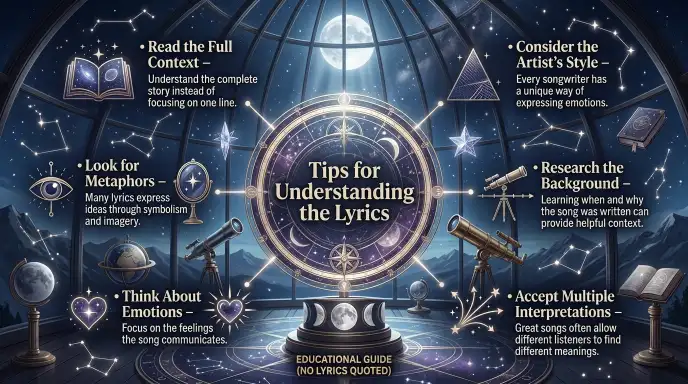
If you want to understand the song better, try these simple tips.
- Listen more than once.
- Pay attention to the mood.
- Read the lyrics carefully.
- Think about the overall message.
- Do not expect one exact meaning.
- Allow your own interpretation to develop.
Many fans discover new ideas each time they listen.
Real-Life Examples of How People Interpret “New Slang”
These examples show how different listeners understand the song.
Example 1: A College Student
“I listened to New Slang before graduating. The lyrics reminded me that life was changing, and I was starting a new chapter.”
Example 2: A Music Fan
“I don’t think the song has one meaning. Every time I hear it, I notice something different.”
Example 3: An Indie Rock Listener
“The calm music and thoughtful lyrics help me relax. I enjoy creating my own interpretation.”
Example 4: A Movie Viewer
“I first heard New Slang in a film. After that, I searched for the lyrics to understand the message.”
Example 5: A Long-Time Fan
“I have listened to the song for years. As my life changes, the lyrics seem to take on new meanings.”
The Lasting Impact of “New Slang”
Although “New Slang” was released many years ago, it continues to attract new listeners.
Its thoughtful lyrics and timeless themes have helped it remain one of the most recognized songs by The Shins.
Today, people still search for the song because they want to understand its deeper meaning.
Frequently Asked Questions
Q1. What is the meaning of the song “New Slang” by The Shins?
The song reflects feelings of growing up, change, nostalgia, and searching for purpose. Its lyrics are poetic and open to personal interpretation.
Q2. What is the most popular song by The Shins?
“New Slang” is widely considered The Shins’ most famous song. It gained worldwide popularity after appearing in films and TV shows.
Q3. What’s the story behind New Slang?
The song was written by James Mercer and explores themes of youth, change, and emotional uncertainty. Its abstract lyrics encourage listeners to find their own meaning.
Q4. What does “gold teeth and a curse for this town” mean?
The phrase is symbolic rather than literal. It suggests mixed feelings about success, identity, and wanting to leave the past behind.
Q5. How did New Slang impact The Shins?
“New Slang” helped The Shins reach a global audience and became their breakthrough hit. It significantly boosted the band’s popularity and career.
Q6. What does “new slang” mean?
“New slang” refers to newly created informal words or expressions that become popular within a group or generation. These terms often spread through social media and everyday conversations.
Q7. What movie is The Shins’ “New Slang” in?
The song is famously featured in the 2004 film Garden State. Its appearance introduced The Shins to a much larger audience.
Q8. What does “revved up like a deuce” mean?
The lyric refers to a car engine being revved up, with “deuce” commonly referring to a 1932 Ford hot rod. It is often misheard because of the song’s vocal delivery.
Q9. How does Gen Z say “sorry”?
Gen Z often says “my bad,” “oops,” or simply “sorry” in casual conversations. The exact wording depends on the situation and tone.
Q10. Why does Gen Z say “pookie”?
Gen Z uses “pookie” as a cute nickname for someone they like or care about. It is commonly used in texting, memes, and social media.
Conclusion
Many people search for lyrics New Slang The Shins because they want to understand the song’s deeper meaning. While the lyrics do not have one official explanation, they are often connected with change, self-discovery, nostalgia, and personal growth.
Instead of giving clear answers, the song invites listeners to reflect on their own experiences. That freedom of interpretation has helped “New Slang” remain one of the most memorable songs by The Shins and a lasting favorite among indie rock fans.
Related Slang Terms:
Slang for Details: 50 Informal Words and Phrases

I am Masson Caldwell, a language enthusiast and content writer at SlangAura. I write about internet slang, texting trends, and modern expressions to help readers understand the evolving world of online language with simple and clear explanations.