Welding terms slang is a popular search because many people hear unusual words in workshops, fabrication shops, construction sites, or online welding videos and wonder what they actually mean.
Welders often use informal expressions that aren’t found in technical manuals but are commonly understood within the trade. These slang terms help workers communicate quickly, describe weld quality, joke with coworkers, or refer to equipment and techniques in a simple way.
if you’re a beginner learning to weld, an apprentice, or simply curious after hearing a phrase like “stack of dimes” or “bird poop weld,” understanding welding slang can make conversations much easier to follow. While some terms are humorous, others describe real welding practices or common mistakes.
Quick Answer:Welding Terms Slang Meaning
Welding terms slang refers to the informal words, nicknames, and expressions welders use to describe welding processes, tools, skills, weld quality, and workplace situations. Most terms are neutral or humorous, but some can be mildly critical depending on the context.
What Does Welding Terms Slang Mean in Text?
If you search for welding meaning slang, you are usually looking for the informal words and expressions used by welders in everyday work. The phrase welder slang can also refer to the same type of trade-specific language.
In everyday conversation, welding terms slang refers to the unofficial language used by welders instead of formal technical vocabulary. These expressions have developed over many years in workshops, construction sites, factories, and trade schools.
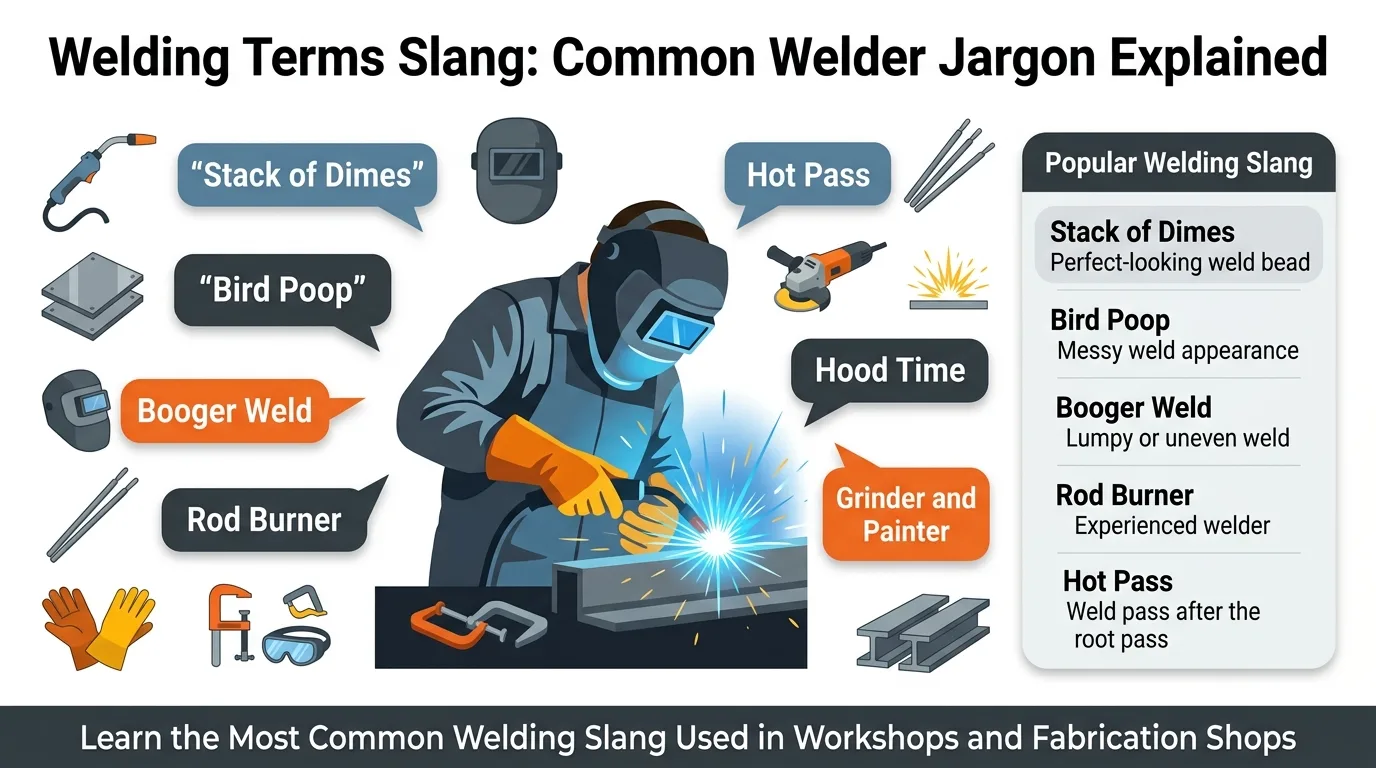
Rather than saying a weld has a consistent bead profile, an experienced welder might simply say it looks like a “stack of dimes.” Likewise, an uneven or messy weld might be jokingly called “bird poop” or a “booger weld.”
The purpose of welding slang is to make communication:
- Faster
- More descriptive
- Easier among experienced welders
- More engaging during training and daily work
Unlike internet slang such as “LOL” or “BRB,” welding slang is specific to the skilled trades and usually isn’t used outside the welding community.
Full Form / Definition of Welding Terms Slang
The search phrase welder meaning slang usually asks about the informal language, nicknames, and expressions commonly used by welders. Unlike abbreviations or acronyms, welding terms slang does not have a full form. Instead, it describes a collection of informal expressions that welders use every day.
These slang terms commonly refer to:
- Weld appearance
- Welding techniques
- Equipment
- Safety gear
- Skill levels
- Common mistakes
- Working conditions
- Types of welders
Some slang is positive and complimentary, while other terms humorously point out poor workmanship.
Common Welding Slang Terms
| Slang Term | Meaning | Tone |
| Stack of Dimes | A neat, uniform weld bead | Positive |
| Bird Poop | A rough, messy-looking weld | Humorous |
| Booger Weld | A lumpy or unattractive weld | Funny |
| Rod Burner | An experienced welder | Positive |
| Grinder and Painter | Someone who hides poor welds by grinding or painting | Humorous/Critical |
| Hot Pass | The weld pass after the root pass | Neutral |
| Burn Through | Melting completely through the base metal | Neutral |
| Pancake Hood | A specialized welding helmet used by pipe welders | Neutral |
| Hood Time | Time spent actively welding | Neutral |
| Slag | Waste material produced during certain welding processes | Technical |
What Does “Stack of Dimes” Mean?
One of the best-known welding slang terms is “stack of dimes.”
It describes a weld bead that looks like a row of neatly stacked coins. This appearance usually indicates that the welder has excellent control over travel speed, heat, and filler material.
Why It’s Considered a Compliment
A weld described as a stack of dimes usually has:
- Even spacing
- Smooth appearance
- Consistent bead width
- Good penetration
- Professional-quality finish
Example
“Your TIG weld looks like a stack of dimes. Great job!”
Among welders, hearing this phrase is considered high praise.
What Does “Bird Poop” Mean?
On the opposite end of the spectrum is the phrase “bird poop.”
This slang term describes a weld that looks rough, uneven, or messy. Instead of having a smooth and consistent bead, the weld may contain excessive spatter, inconsistent movement, or poor fusion.
A Bird Poop Weld Often Has
- Irregular shape
- Excess spatter
- Uneven bead height
- Poor appearance
- Inconsistent travel speed
Example
“That weld looks like bird poop. Try slowing down and keeping a steady hand.”
Although the phrase is often used jokingly among coworkers, beginners may find it discouraging if it’s said without constructive feedback.
What Does “Booger Weld” Mean?
Another common expression you’ll hear in welding shops is “booger weld.” This slang refers to a weld bead that is thick, uneven, or lumpy. While it may still hold the metal together, it usually doesn’t look clean or professional.
A booger weld can result from:
- Poor welding technique
- Incorrect travel speed
- Too much filler metal
- Improper heat settings
- Lack of experience
The term is often used humorously, especially among experienced welders teaching apprentices.
Example
“That joint is strong enough, but it’s definitely a booger weld.”
Although it’s a funny phrase, it’s generally meant to encourage improvement rather than insult someone.
Is Welding Terms Slang Rude, Offensive, or Neutral?
Most welding terms slang is neutral or lighthearted. These expressions have become part of the trade’s culture and are commonly used in workshops, fabrication shops, and construction sites.
However, tone and context matter. A term that sounds funny among coworkers could feel rude if directed at a beginner or someone unfamiliar with welding culture.
Generally Neutral
These terms are commonly used without causing offense:
- Stack of Dimes
- Hot Pass
- Hood Time
- Rod Burner
- Pancake Hood
- Slag
Humorous but Mildly Critical
These expressions usually refer to poor weld quality:
- Bird Poop
- Booger Weld
- Grinder and Painter
While they are often jokes, they can come across as criticism if used in a harsh tone.
When It Can Be Offensive
Calling someone’s work a “booger weld” or labeling them a “grinder and painter” in front of others may embarrass them. In professional environments, it’s better to offer constructive feedback instead of relying on slang.
For example:
❌ “Your weld is bird poop.”
✅ “Your weld needs a steadier travel speed and more consistent penetration.”
Professional feedback helps people learn without feeling discouraged.
Where Is Welding Slang Commonly Used?
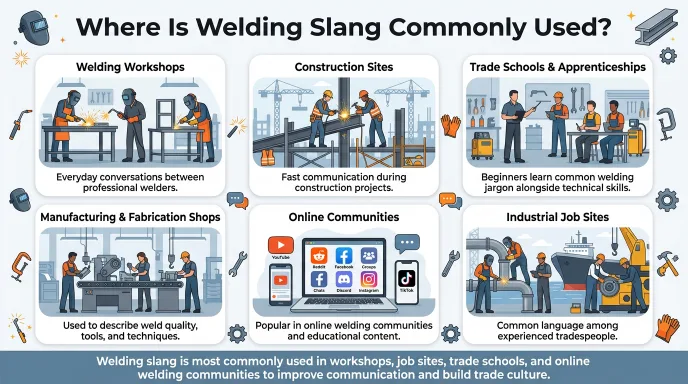
Unlike internet slang, welding slang is mostly heard in trade-related environments where welders work or learn together.
Common Places You’ll Hear It
- Welding shops
- Fabrication workshops
- Construction sites
- Manufacturing plants
- Shipyards
- Oil and gas projects
- Trade schools
- Apprenticeship programs
Because these workplaces rely on teamwork and quick communication, slang naturally becomes part of everyday conversations.
Welding Slang on Social Media
Welding slang has also become popular online thanks to the growing welding community.
You’ll frequently see these expressions on:
- YouTube welding tutorials
- TikTok welding videos
- Reddit welding communities
- Facebook welding groups
- Instagram reels and project photos
- Discord communities for skilled trades
For example, someone posting a photo of a perfect TIG weld might caption it:
“Finally getting those stack-of-dimes beads!”
Meanwhile, a beginner might share progress by joking:
“Still making booger welds, but getting better every day.”
These terms help welders connect, share experiences, and celebrate progress.
Origin and Background of Welding Slang
Most welding slang developed naturally over decades as experienced welders created colorful ways to describe their work.
Instead of using long technical explanations, they compared welds to familiar objects.
For example:
- A smooth weld looked like a row of stacked coins, leading to the phrase “stack of dimes.”
- A rough weld resembled bird droppings, giving rise to “bird poop.”
- Thick, uneven welds reminded people of boogers, resulting in the term “booger weld.”
These expressions were passed from experienced welders to apprentices and eventually became part of welding culture.
There isn’t one person who invented these phrases. Most evolved naturally through years of shop talk and hands-on training.
Why People Use Welding Slang
Welding slang has remained popular because it makes communication faster, more memorable, and often more enjoyable.
Here are some of the main reasons welders use it:
1. Faster Communication
Short phrases are easier to say than long technical explanations.
For example:
Instead of saying:
“This weld bead has an uneven profile.”
A welder may simply say:
“That’s a bird poop weld.”
Everyone in the shop immediately understands what it means.
2. Builds Team Culture
Every trade develops its own language. Welding slang creates a sense of belonging among coworkers and apprentices.
3. Makes Training Easier
Funny names help beginners remember common welding mistakes and recognize quality welds more quickly.
4. Describes Visual Appearance
Many slang terms paint a clear mental picture, making them easier to understand than technical jargon alone.
5. Adds Humor to the Workplace
Welding can be physically demanding, and lighthearted slang helps create a more relaxed atmosphere during long shifts.
Real-Life Examples of Welding Terms Slang
Understanding welding slang is easier when you see how it’s used in everyday conversations. Here are examples showing different tones and situations.
Friendly Example
Welder A: “How does this TIG weld look?”
Welder B: “Nice work! That’s a real stack of dimes.”
Meaning: The speaker is complimenting the quality and appearance of the weld.
Casual Workshop Conversation
Apprentice: “I’m still getting inconsistent beads.”
Instructor: “Don’t worry. Everyone starts with booger welds. Keep practicing.”
Meaning: The instructor is encouraging the student while acknowledging that beginners often produce rough-looking welds.
Argumentative Exampl
Worker A: “Who welded this bracket?”
Worker B: “I don’t know, but it looks like bird poop.”
Meaning: Here, the slang is being used as criticism. Although common in some shops, this tone can come across as harsh if not followed by helpful advice.
Construction Site Example
Foreman: “The root pass looks good. Go ahead with the hot pass.”
Welder: “Got it.”
Meaning: “Hot pass” is a widely recognized welding term used during multi-pass welding procedures.
Social Media Example
Instagram Caption:
“Months of practice finally paid off. My welds are starting to look like stack of dimes! 🔥”
Reddit Example
“My first MIG project still has a few booger welds, but I’m learning every day.”
YouTube Commen
“Great tutorial! My welds used to look like bird poop, but these tips really helped.”
These examples show that welding slang can be humorous, encouraging, or descriptive depending on the situation and the relationship between the people involved.
Comparison with Similar Welding Slang
Although many welding slang terms describe weld quality, each has a slightly different meaning.
| Slang Term | Meaning | Tone | Common Use |
| Stack of Dimes | Smooth, uniform, high-quality weld | Positive | Complimenting good workmanship |
| Bird Poop | Messy or uneven weld | Humorous/Critical | Describing poor weld appearance |
| Booger Weld | Thick, lumpy weld bead | Humorous | Referring to beginner mistakes |
| Rod Burner | Skilled or experienced welder | Positive | Praising an experienced welder |
| Grinder and Painter | Someone who hides poor welds with grinding or paint | Humorous/Critical | Lighthearted criticism |
| Hot Pass | Weld pass after the root pass | Neutral | Technical shop communication |
Each term serves a different purpose, from complimenting craftsmanship to pointing out areas that need improvement.
When Should You Avoid Using Welding Slang?
While welding slang is common in workshops, it isn’t appropriate in every situation.
You should avoid using slang when communicating with:
- Customers
- Engineers unfamiliar with shop jargon
- Safety inspectors
- Welding certification examiners
- Clients
- Formal training sessions
- Written reports and technical documents
Professional language is clearer and reduces the risk of misunderstandings.
Instead of Saying
“That’s a bird poop weld.”
Say:
“The weld bead is uneven and should be repaired.”
Instead of:
“It’s a booger weld.”
Say:
“The weld needs better consistency and penetration.”
Using professional terminology shows respect and helps maintain clear communication, especially in safety-critical environments.
Polite Alternatives to Common Welding Slang
If you want to give constructive feedback without sounding overly critical, consider using these alternatives.
| Welding Slang | Professional Alternative |
| Bird Poop | Uneven weld bead |
| Booger Weld | Inconsistent weld |
| Bad Weld | Weld requires improvement |
| Grinder and Painter | Needs additional welding practice |
| Ugly Weld | Weld appearance could be improved |
Constructive language is especially helpful when teaching beginners or working in professional settings where respectful communication is important.
Impact of Using Slang in Communication
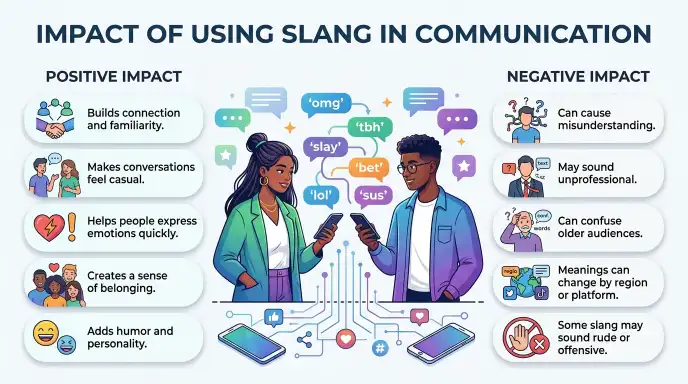
Like any form of informal language, welding slang has both advantages and disadvantages.
Benefits
Speeds Up Communication
Experienced welders can quickly describe a weld without lengthy explanations.
Builds Team Spirit
Shared language creates a sense of belonging within the welding community.
Makes Learning Memorable
Creative terms like stack of dimes and bird poop are easier for apprentices to remember than technical descriptions alone.
Reflects Trade Culture
Welding has a rich history, and slang is part of its unique workplace culture.
Drawbacks
Can Confuse Beginners
New welders may not understand what experienced workers mean.
May Sound Unprofessional
Customers or inspectors may not recognize informal expressions.
Can Hurt Confidence
Using humorous slang to criticize someone’s work without offering guidance may discourage learners.
Not Suitable for Documentation
Inspection reports, certifications, and technical manuals should always use standard welding terminology instead of slang.
The best approach is to understand your audience and choose language that fits the situation.
Is Welding Terms Slang Safe for Social Media?
Yes. In most cases, welding terms slang is completely safe to use on social media. These expressions are related to the welding trade and generally do not violate platform guidelines.
You’ll often see welding slang used on:
- YouTube welding tutorials
- TikTok welding videos
- Instagram project posts
- Reddit welding communities
- Facebook welding groups
- Discord servers for welders and fabricators
Creators use these terms to:
- Show off completed projects
- Share welding tips
- Ask for feedback
- Teach beginners
- Celebrate improvements in welding skills
Example Social Media Captions
- “Finally laid down a true stack of dimes today!”
- “Still fixing my booger welds, but I’m improving every week.”
- “Practice makes perfect—hood time is paying off!”
As with any slang, avoid using it to mock or insult others. Keeping comments respectful helps maintain a positive and supportive community.
Frequently Asked Questions
1. What does welding terms slang mean?
Welding terms slang refers to the informal words, nicknames, and expressions welders use to describe weld quality, equipment, techniques, and workplace situations. These terms are commonly used in workshops and fabrication shops rather than in formal technical documents.
2. Does welding terms slang have a full form?
No. Welding terms slang is not an acronym or abbreviation, so it does not have a full form. It simply refers to a collection of informal expressions used within the welding industry.
3. What is the most common welding slang term?
One of the most popular welding slang terms is “stack of dimes.” It describes a smooth, consistent weld bead that resembles a row of neatly stacked coins and is considered a compliment.
4. Is welding slang offensive?
Most welding slang is neutral or humorous. However, terms like “bird poop” or “booger weld” can sound critical if they’re used to mock someone’s work instead of offering helpful feedback.
5. Where is welding slang commonly used?
You’ll hear welding slang in:
- Welding shops
- Construction sites
- Fabrication facilities
- Manufacturing plants
- Trade schools
- Apprenticeship programs
- Online welding communities and social media
6. Should beginners learn welding slang?
Yes. Learning common welding slang can help beginners understand conversations, training sessions, and online tutorials. However, it’s equally important to learn the correct technical terminology for certifications, inspections, and professional communication.
Conclusion
Understanding welding terms slang can make it much easier to communicate with experienced welders, follow training sessions, and participate in the welding community. From positive expressions like “stack of dimes” to humorous phrases such as “bird poop” and “booger weld,” these informal terms have become an important part of workshop culture.
Although slang makes conversations faster and more engaging, it should be used with the right audience and in the right setting. Professional terminology remains the better choice for technical reports, customer communication, and certification exams. By learning both the official welding vocabulary and the most common slang expressions, you’ll be better prepared to understand real-world conversations and build confidence in the trade.
if you’re a beginner picking up a welding helmet for the first time or an experienced fabricator looking to connect with others, knowing the meaning behind these expressions helps you communicate more effectively and appreciate the unique culture of the welding profession.
Descover more:
Function Slang: Meaning, Uses, and Examples
What Is Opp in Slang? Meaning, Full Form, and Examples in Text

I am Masson Caldwell, a language enthusiast and content writer at SlangAura. I write about internet slang, texting trends, and modern expressions to help readers understand the evolving world of online language with simple and clear explanations.